Paper Weight, Finish and Size Explained in Plain English
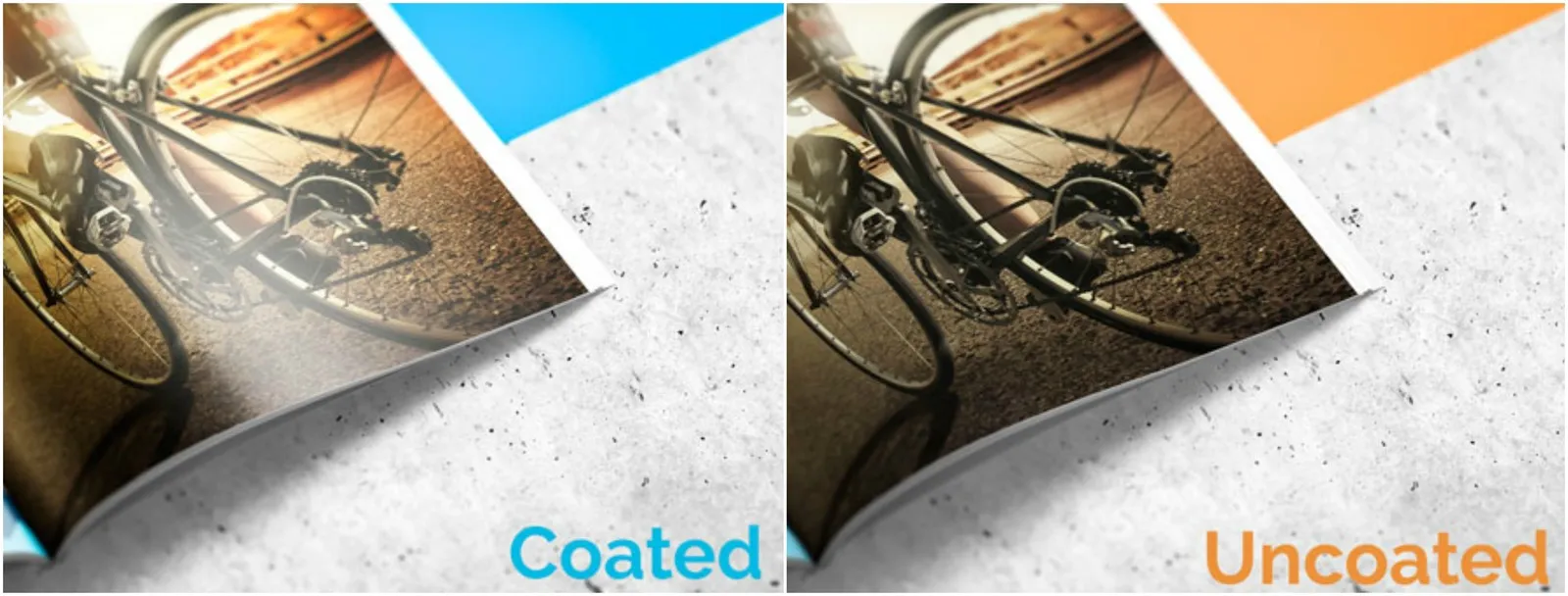
You have designed the flyer. Now the order form asks: 130gsm or 170gsm? Silk or gloss? A5 or DL? If you have ever frozen at that point, you are in good company.
Paper is simple once you know three things: how heavy it is, how it feels, and how big it is. Here they are, one at a time.
Paper weight: what "gsm" really means
gsm means grams per square metre. A sheet of 80gsm paper that measures one square metre weighs 80 grams. The higher the number, the thicker and stiffer the paper.
As a rough guide:
- 120gsm to 150gsm: light and flexible. Good for stationery, letterheads and inserts.
- 150gsm to 170gsm: a solid everyday flyer. Feels like quality without being stiff.
- 200gsm to 250gsm: sturdy. Good for brochure covers, posters and menus.
- 300gsm to 350gsm: thick card. The usual choice for business cards, appointment cards and invitations.
If you are not sure, hold something you already like in your hand. A weight you have felt is worth more than a number on a page.
Paper finish: matt, gloss or bond
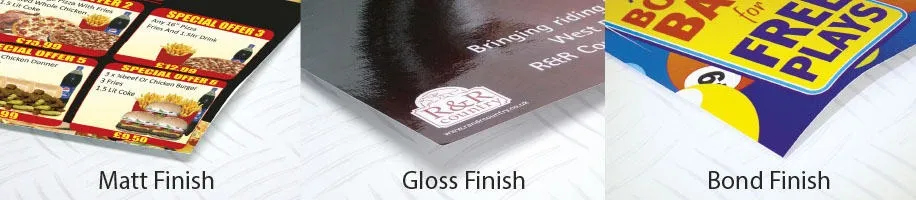
Matt
Matt is coated paper with a soft, silky feel and no glare. It is easier to write on than gloss and a very popular choice for brochures, flyers and menus. Because it is still coated, it is not the best choice for stationery you will write on with a fountain pen.
Gloss
Gloss is smooth and shiny, and it makes photos and bright colours stand out. It is a great choice for flyers, booklets and posters. The downside is that it reflects light and shows fingerprints more easily than matt.
Bond
Bond is uncoated paper, with no extra finish on the surface. That makes it the easy winner for anything people will write on, like letterheads, compliment slips and forms.
Paper size: the A series
A sizes follow one neat rule: each size is half the one before. Fold an A4 sheet in half and you have A5. Fold again and it is A6.
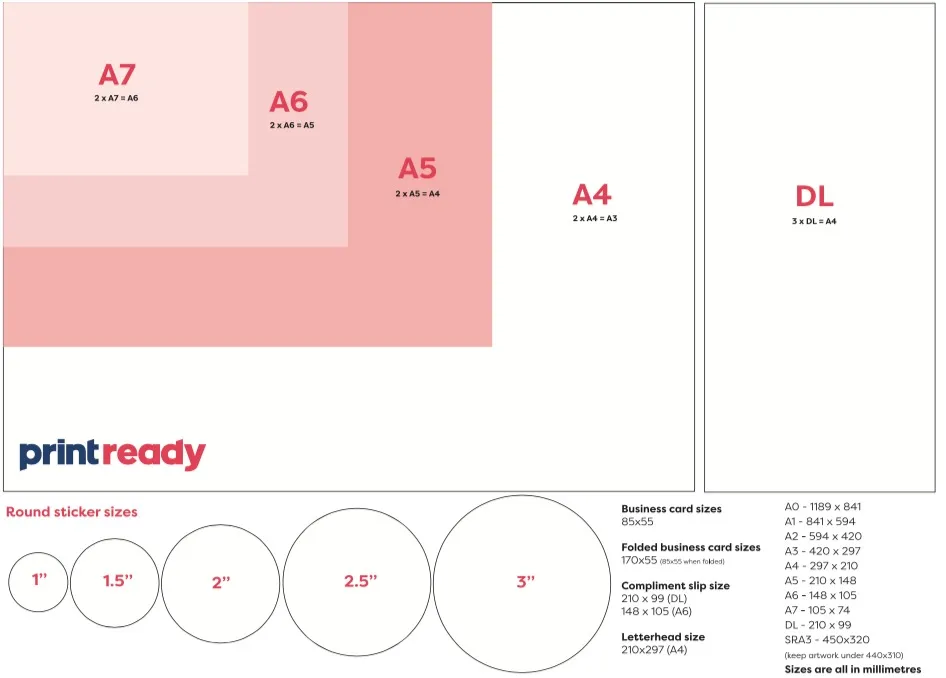
- Two A4 sheets side by side make A3.
- Two A3 sheets make A2.
- Two A2 sheets make A1.
- Two A1 sheets make A0.
A0 has an area of exactly one square metre. Every size in the series keeps the same proportions, so a design scales up or down cleanly. The length divided by the width is always about 1.414.
Most people know A4: a letter, a bill, a standard page. A5 is a good size for flyers and notepads, and A6 is handy for postcards and compliment cards. For quick reference, our paper weight guide and bleed guide have the sizes in millimetres.
Putting it together
- Flyer for a letterbox drop: A5, around 150gsm to 170gsm, silk or gloss.
- Restaurant menu: A4 or DL, 200gsm to 250gsm, matt.
- Letterhead: A4, bond.
- Business card: thick card, 300gsm to 350gsm.
Still not sure? Call into us in Glasnevin or get in touch and we will show you samples. It is much easier to choose when you can feel the difference.