How To Choose the Right Thickness For Your Flyer
How To Choose the Right Thickness For Your Flyer
When it comes to selecting the best paper thickness for flyers, there are a few factors to bear in mind. It is important to keep in mind that the thickness of the paper will have an influence on its durability, printing quality and overall look. In this article, we’ll be guiding you through how to choose carefully so as to give your brand’s perception the most value.
The Intended Use of the Flyer
The intended use of your flyer is an important part of choosing the correct paper thickness. For example, a promotional flyer size for a single occasion might not necessitate the same degree of toughness as a menu or product catalogue that will get handled regularly.
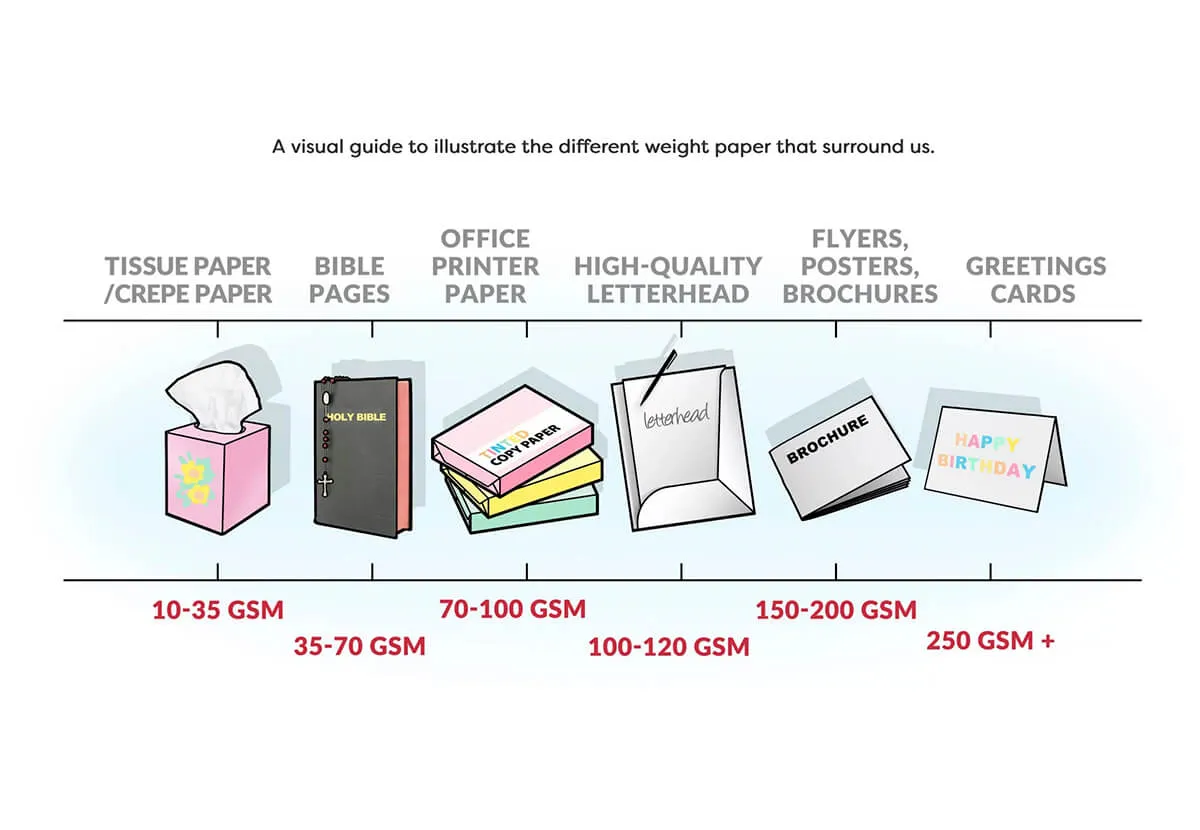
If your flyer needs to only be used temporarily, 110-130gsm stock may do the trick. On the other hand, if you need it for more extended use, then thicker paper is the better option.

This will ensure that your flyer withstands handling and remains easily legible. Moreover, it is prudent to think about where the flyer will be put up. If it will be exposed outside or in busy locations, a bulkier paper might offer superior resistance against wear and tear.
Examples of Flyer Sizes and Thickness Requirements
- Promotional Flyers: For one-time events or short-term promotions, 130gsm.
- Menus and Product Catalogues: Should be printed on a thicker paper like 170gsm. Cover stock printed on 250gsm for optimal durability, so they can withstand regular handling.
- Business Cards: Typically small but often handled frequently, so 350gsm card stock is recommended.
- Brochures: Medium-weight paper like 170gsm-200gsm text paper for high-quality images and text.
- Postcards: Use 250gsm stock for an impressive look and feel.
- Book Covers: 250gsm card stock recommended for a sturdy, long-lasting finish.
Printing Methods and Paper Thickness
The type of printing process is a key factor when selecting the type of paper to use for your flyers. Digital printing usually works better with a thinner stock, while offset printing tends to demand thicker paper to guarantee clear, clean images and text.
Examples of Printing Methods
- Digital Printing: Works best with thinner papers in the range of 80gsm-300gsm for quality prints and smooth feeding.
- Offset Printing: Requires heavier paper like 300gsm-400gsm cover stock for clear images and text, especially for large pictures.
- Letterpress Printing: Uses a raised surface for printing, so requires substantial paper, usually 300gsm+ cover stock.
- Screen Printing: Best for large runs, typically uses medium-weight paper around 200gsm cover stock for durability.
Balancing Cost and Quality
When selecting the correct paper for your flyers, it’s important to weigh up cost and quality. Thicker card stock usually comes at a higher price than thinner paper. The most efficient way to balance them is to assess the flyer’s purpose, printing method, and desired outcome, ensuring it fits your budget.
Paper Thickness and Brand Perception
Paper thickness can be a major contributor to communicating the value and professionalism of a brand. Top-notch paper that is thick and strong gives the impression of an established, professional enterprise, while frail paper can detract from a company’s image.
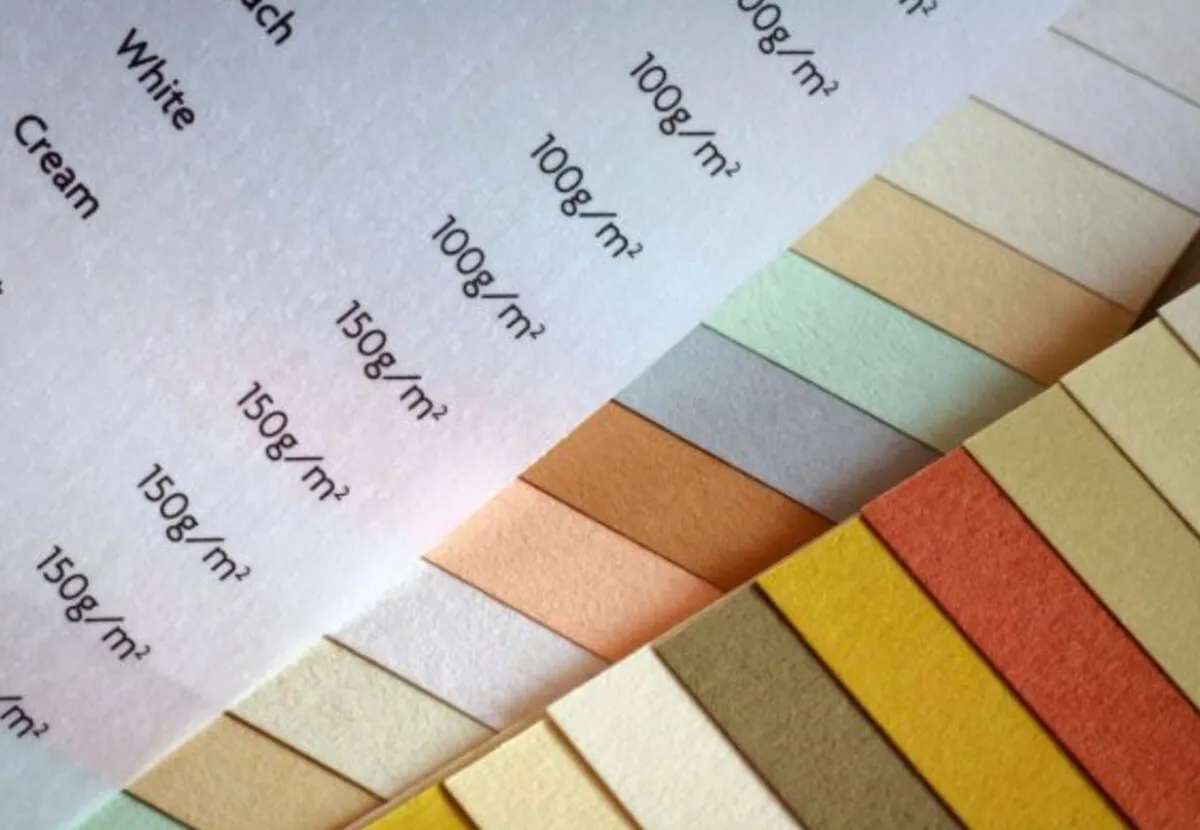
Selecting high-quality, thick paper for flyers can communicate sophistication and dependability to potential customers. This is especially beneficial for businesses wanting to convey trustworthiness and professionalism. Using sturdy paper allows flyers to stand out from the competition, boosting a brand image that sticks with customers.
Different Types of Paper Weights
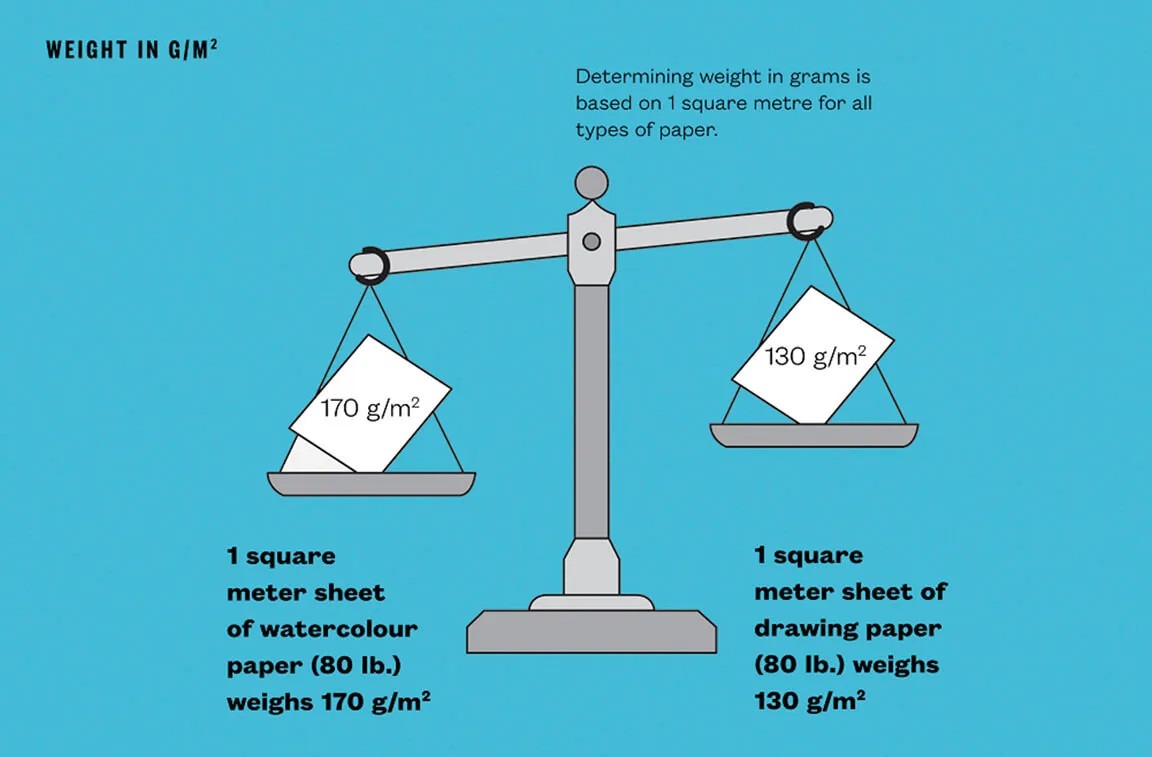
Each paper weight offers distinct features like thickness, texture, and weight, making them suitable for varied printing and promotional materials. Understanding these distinctions ensures your flyers have a professional look and feel.
Common Paper Weights for Flyers
- 80gsm Bond Paper: Lightest weight, used for everyday printing tasks like letters and reports.
- 120gsm Laser Paper: Slightly heavier, smooth surface for high-quality prints on letters and stationery.
- 130gsm Gloss Stock: Thin, featherweight paper, ideal for single-page flyers and lightweight promotions.
- 170gsm Gloss Paper: Medium-weight paper for brochures, flyers, or marketing materials with clear, vivid images.
- 250gsm Card Stock: Thick, sturdy option ideal for menus, business cards, postcards, and book covers.
When deciding the paper weight of your flyer, consider purpose, printing method, budget, and the desired brand image. Striking a balance between cost and quality will result in a product that is durable, professional, and effective for marketing.
Need help or inspiration in choosing the correct paper? Call into our shop on Glasnevin Ave, email us on hello@printready.ie or call (01) 858 1000 – we will be delighted to help!